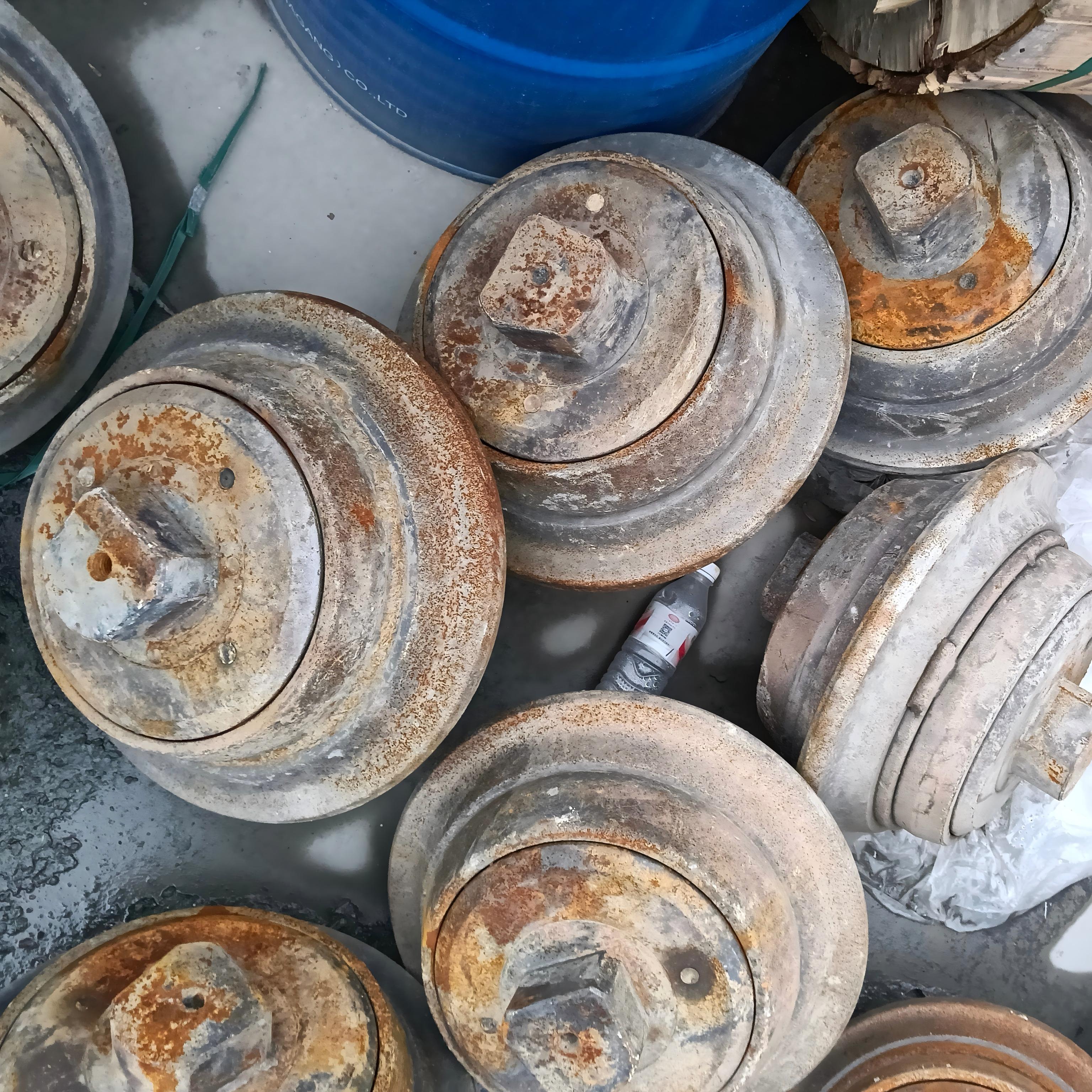
TBM disc cutters gradually wear as they cut through rock. However, uneven wear, broken rings and internal component failures differ from normal consumption. The following overview introduces seven common conditions, their visible features and possible causes.
1. Normal or Uniform Wear
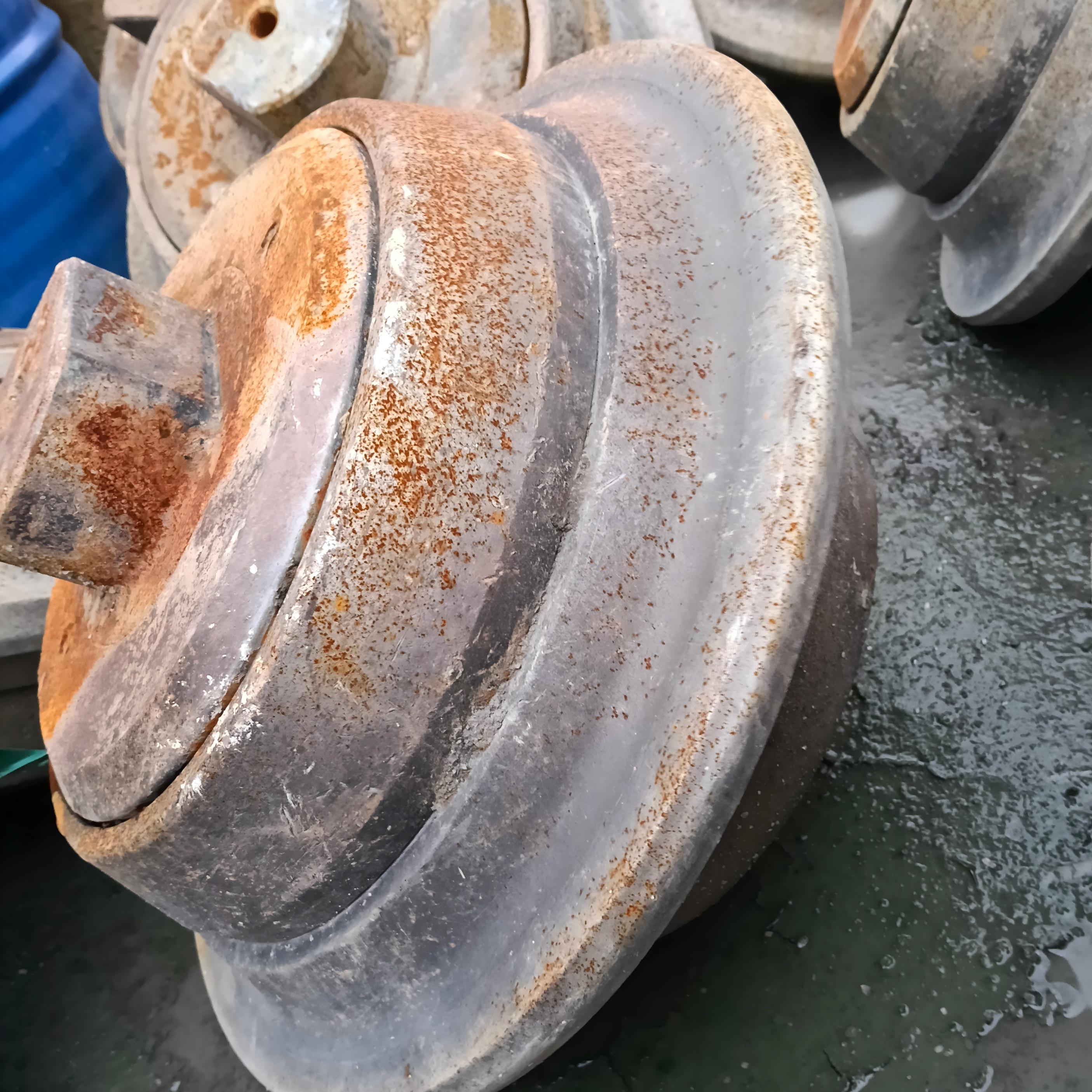
Normal wear appears as relatively even material loss around the cutter ring. The ring diameter gradually decreases, and the cutting edge profile changes. This is expected wear from repeated contact with abrasive rock. The rate of wear depends on rock abrasivity, cutter position and operating conditions.2. Eccentric and Flat Wear
Eccentric wear produces an uneven profile around the cutter ring, with greater material loss in some areas. Severe localized wear may form a flat surface. This often occurs when restricted rotation causes the cutter to slide against the rock instead of rolling. Bearing damage, seizure or material packed around the cutter may contribute to the problem.
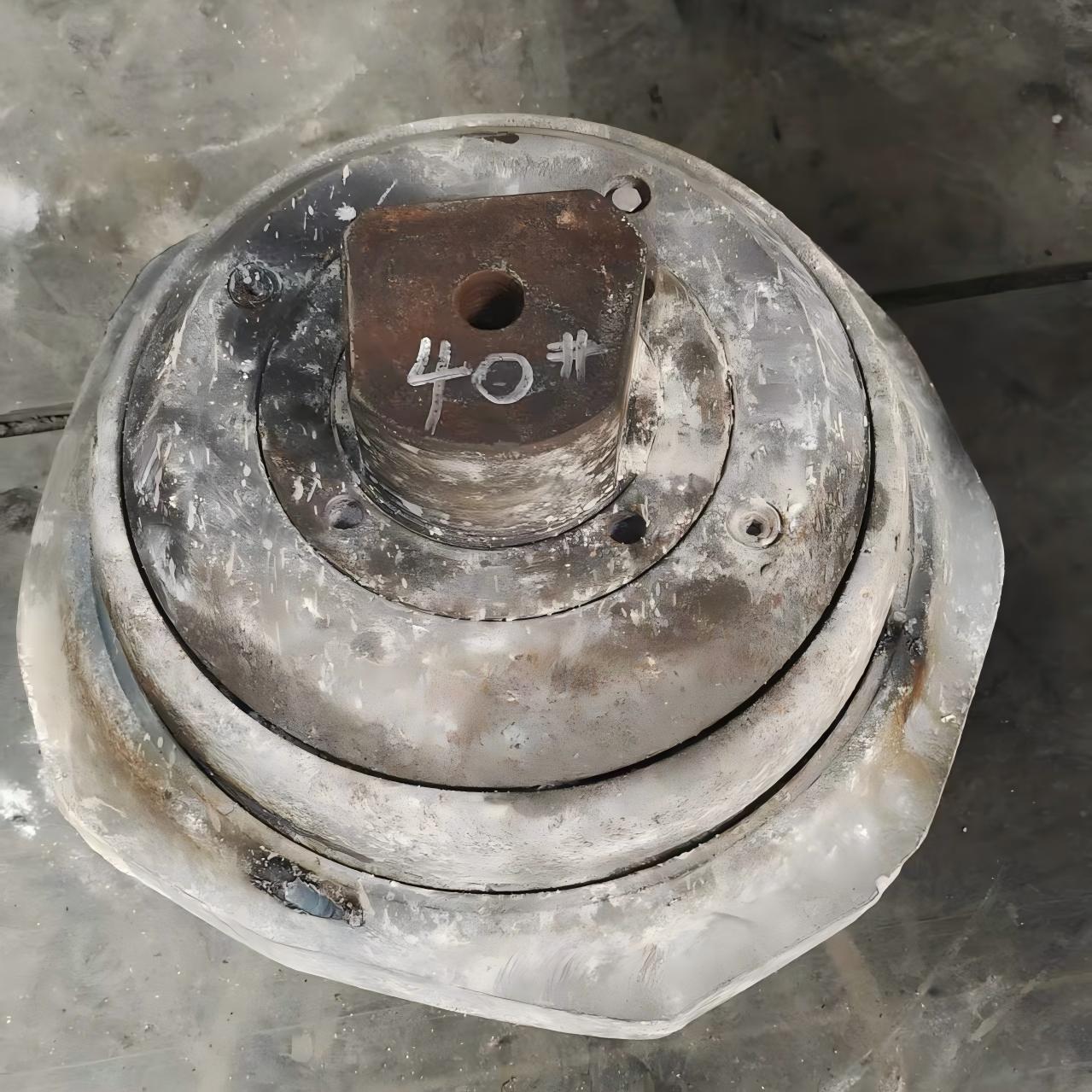
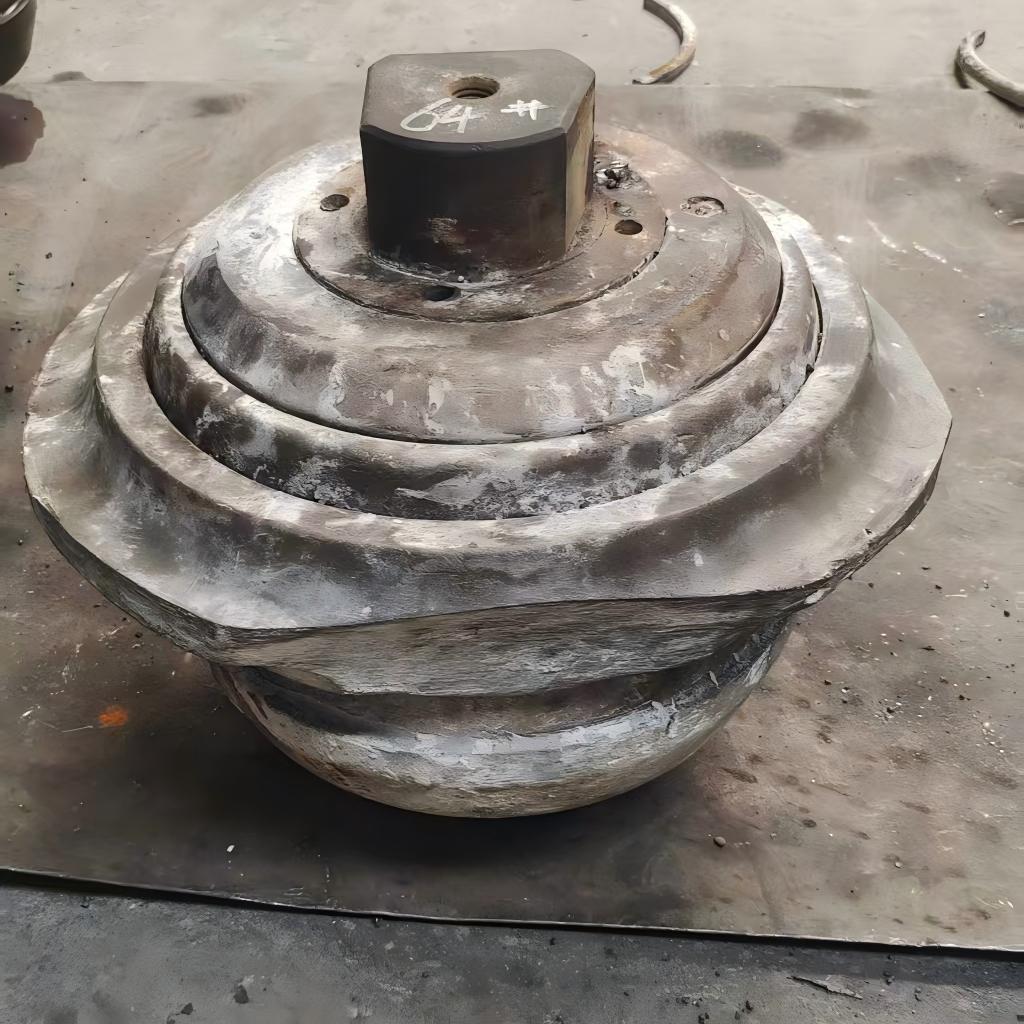
3. Cutting Edge Fracture
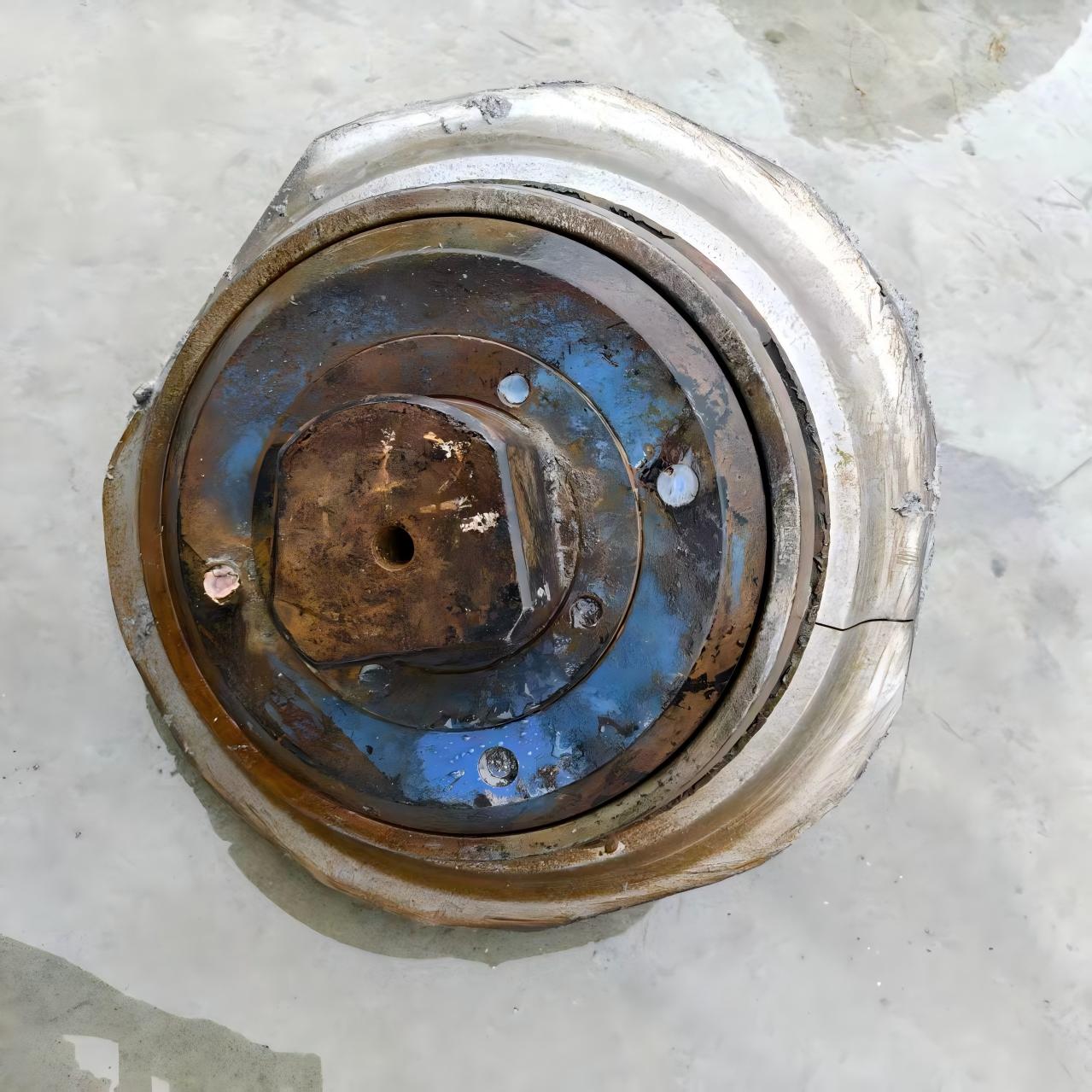
Cutting edge fracture appears as localized chips or broken sections along the cutting edge, while the main ring body remains largely intact. Sudden or repeated impacts may contribute, particularly in fractured rock or ground with abrupt changes in hardness. Existing cracks, cutter ring toughness and operating loads can also influence the damage.
4. Severe Cutter Ring Fracture
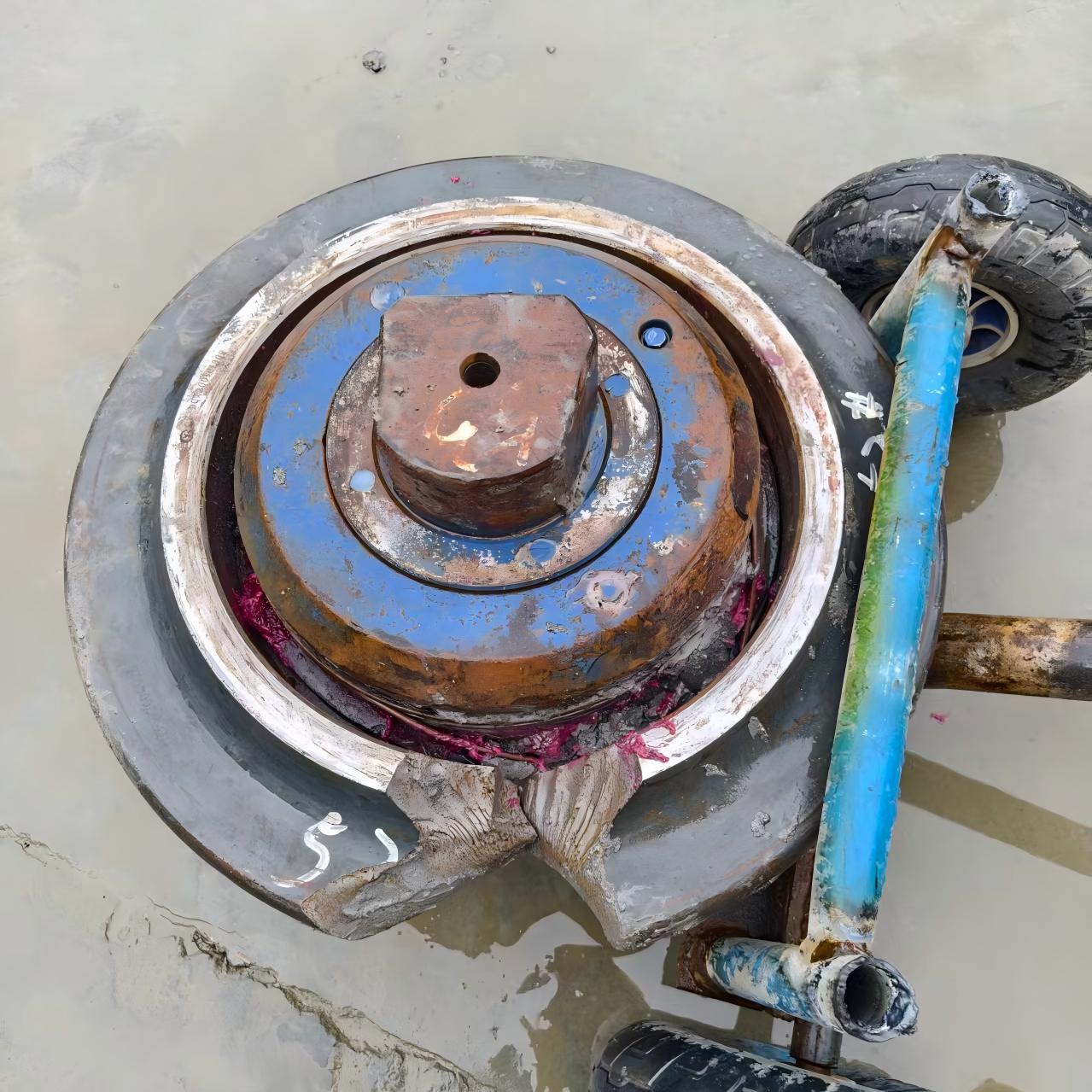
Severe fracture extends deeper into the cutter ring body, causing large sections to break away or cracks to pass through its cross-section. Unlike localized edge damage, it compromises the ring’s structural integrity. High impact loads, the growth of existing cracks and continued operation after damage may contribute to this failure.5. Cutter Ring Detachment
Cutter ring detachment occurs when the ring moves out of position and partially or completely separates from the hub. Continued operation after severe fracture may allow the ring or broken sections to come off. Ring-to-hub fit, assembly condition and damage to the fitting surfaces can also affect ring retention. 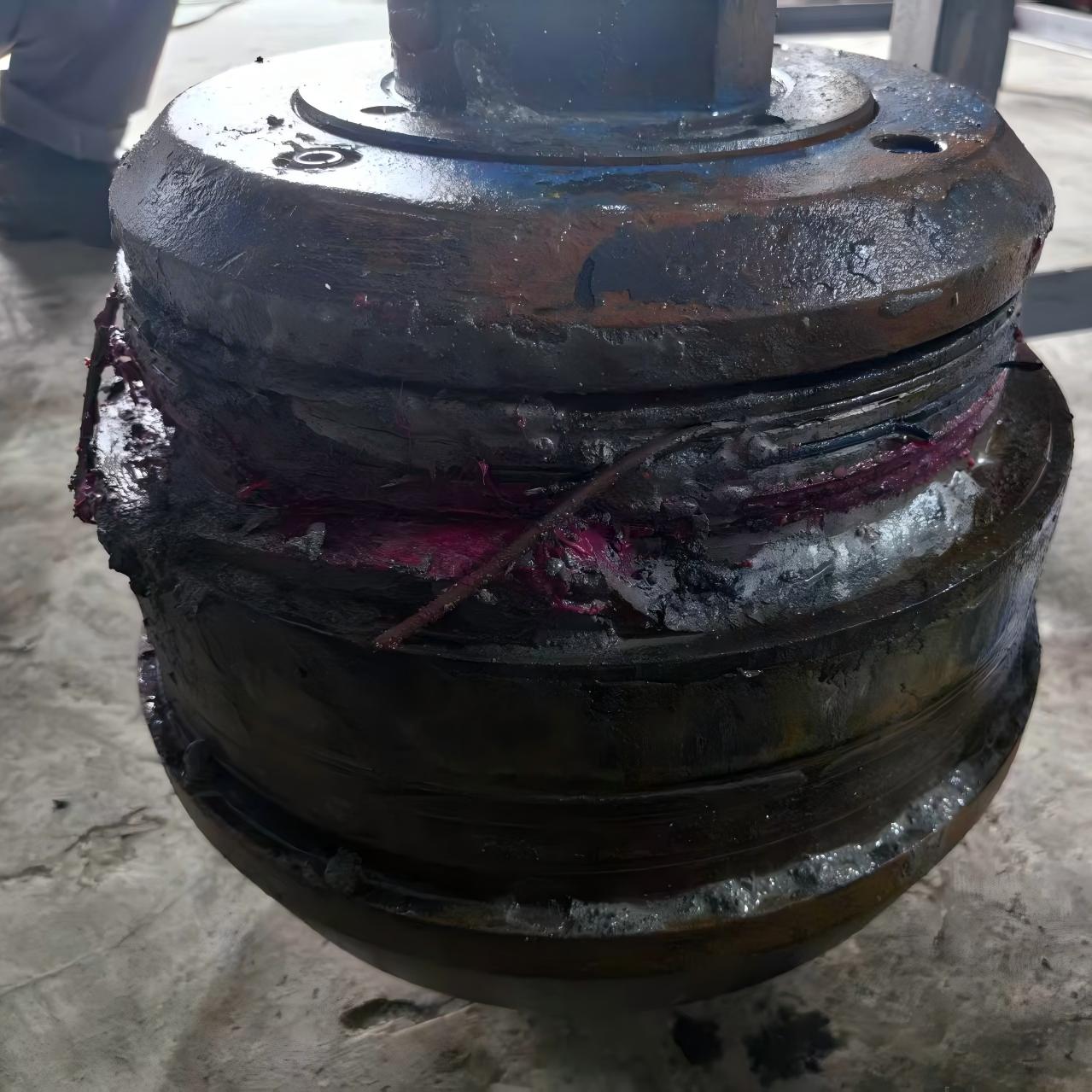
6. Bearing Failure
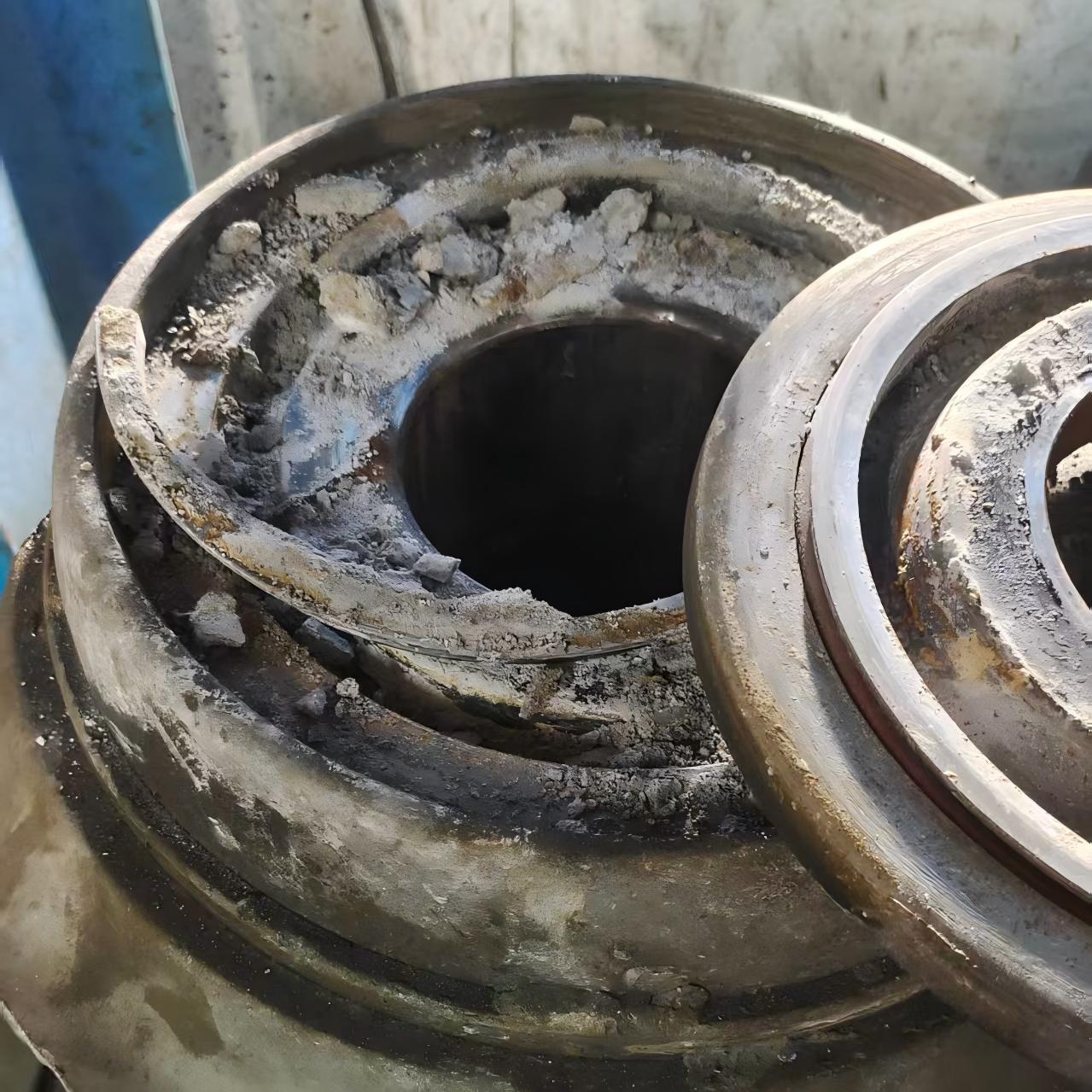
Bearing damage may cause rough rotation, seizure or abnormal play in the cutter. Restricted rotation can then contribute to eccentric or flat wear on the ring. Possible causes include excessive loading, inadequate lubrication and contamination by water or abrasive particles. Bearing failure is an internal component fault, rather than a cutter ring wear pattern.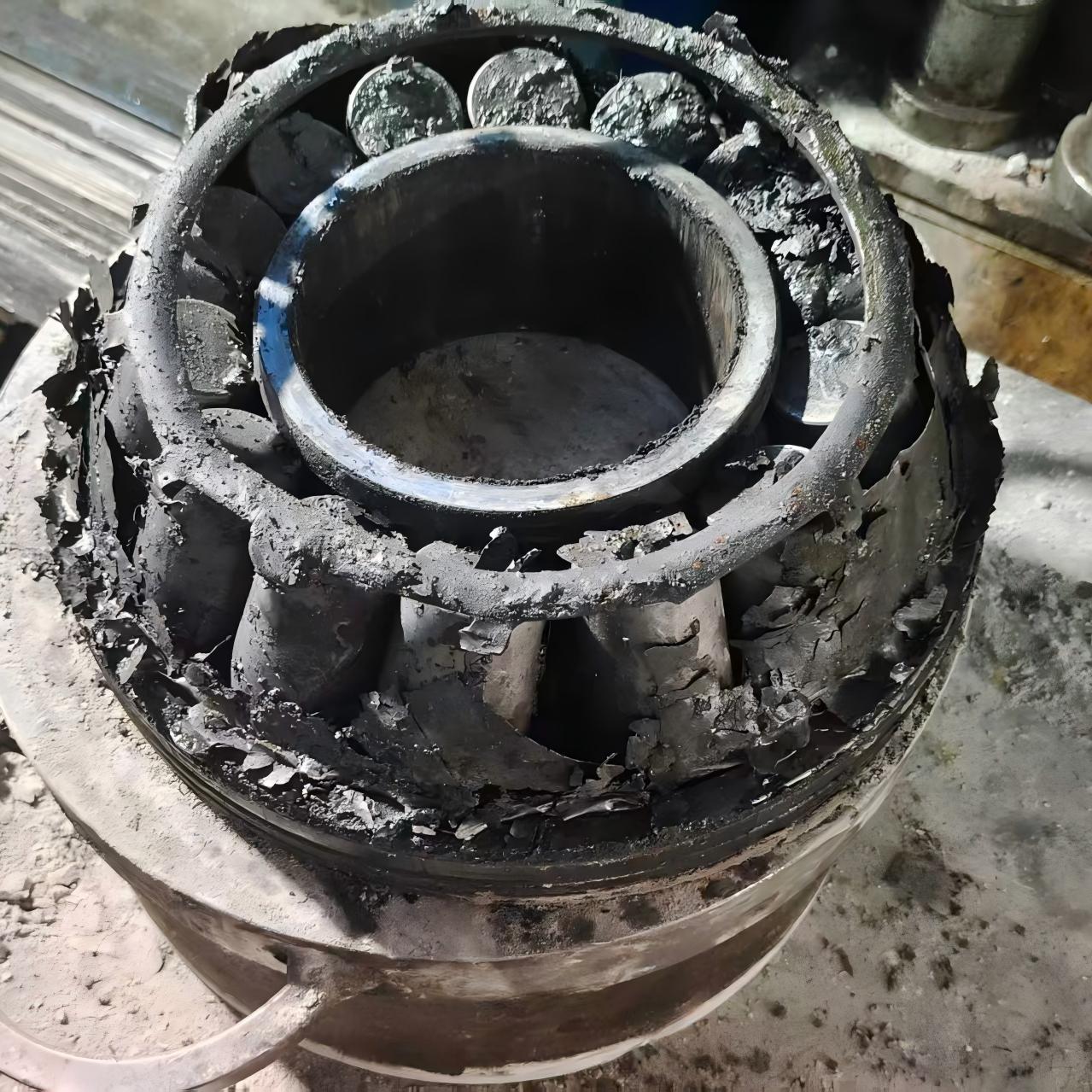
7. Floating Seal Failure and Lubricant Leakage
Floating seal failure may allow lubricant to leak out or water, slurry and abrasive particles to enter the cutter. This can impair lubrication and contribute to bearing damage. Worn sealing faces, trapped particles, damaged sealing elements and incorrect installation may all reduce sealing performance.
These conditions help identify and describe common disc cutter damage, but similar symptoms may have different causes. The actual cause depends on ground conditions, operating history and component condition. Repair and replacement decisions will be covered separately in a following article.




 Company Profile