Qingyue provides technical services for TBM disc cutter inspection, wear analysis, repair, refurbishment and on-site replacement support. Based on the actual cutter condition and project requirements, our service covers condition assessment, component checking, replacement of worn or damaged parts, controlled reassembly and cutter-change support. The service scope is confirmed according to cutter drawings, site information, observed failure conditions and available inspection results.
01 Cutter Inspection & Wear Analysis
Regular inspection and wear analysis help determine whether a TBM disc cutter can remain in service, requires component replacement or should be removed for refurbishment. Our inspection focuses on cutter ring wear, abnormal damage, cutter rotation, sealing condition, bearing performance and visible damage to the cutter body and installation components. Inspection findings provide a basis for repair planning, spare-parts preparation and cutter replacement decisions.
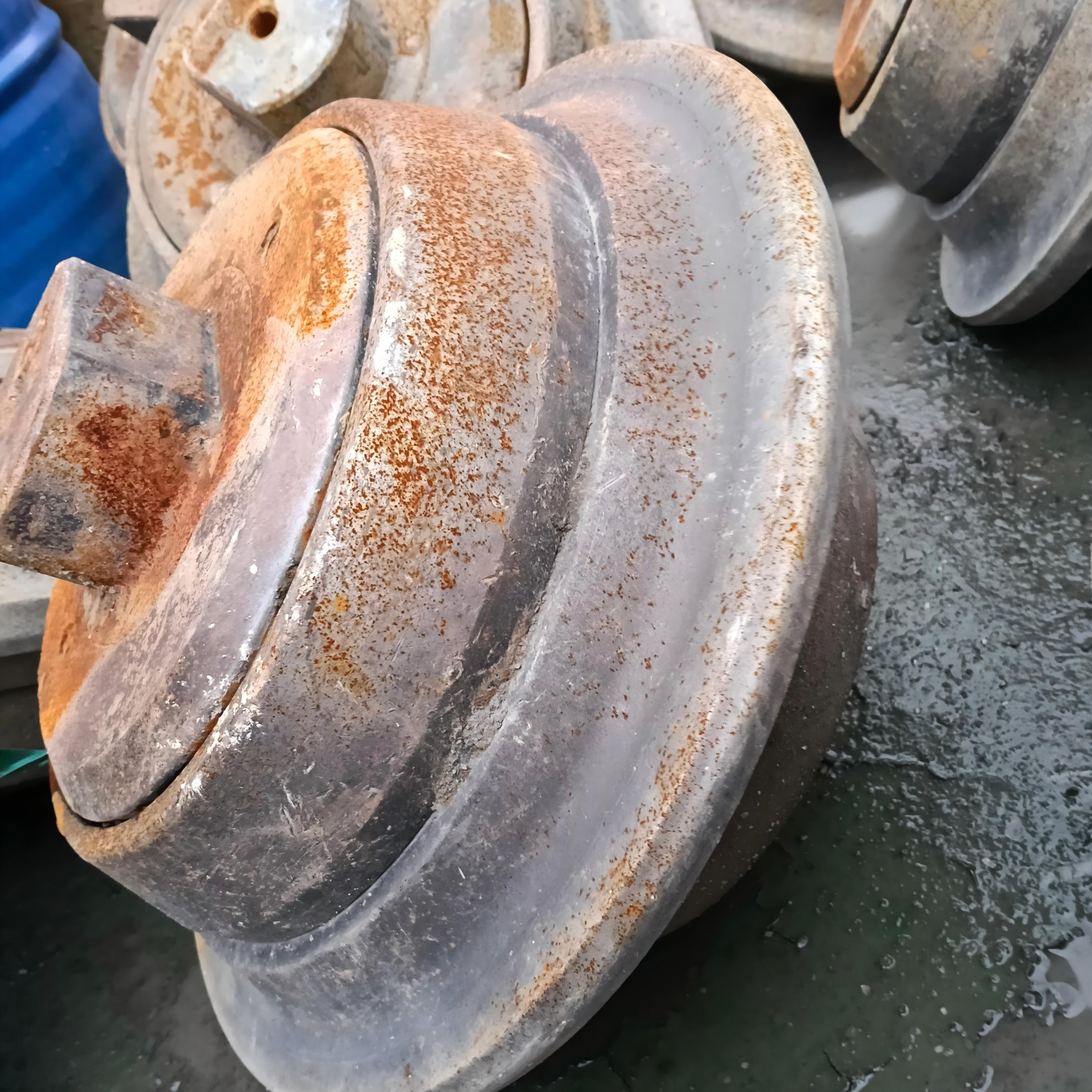
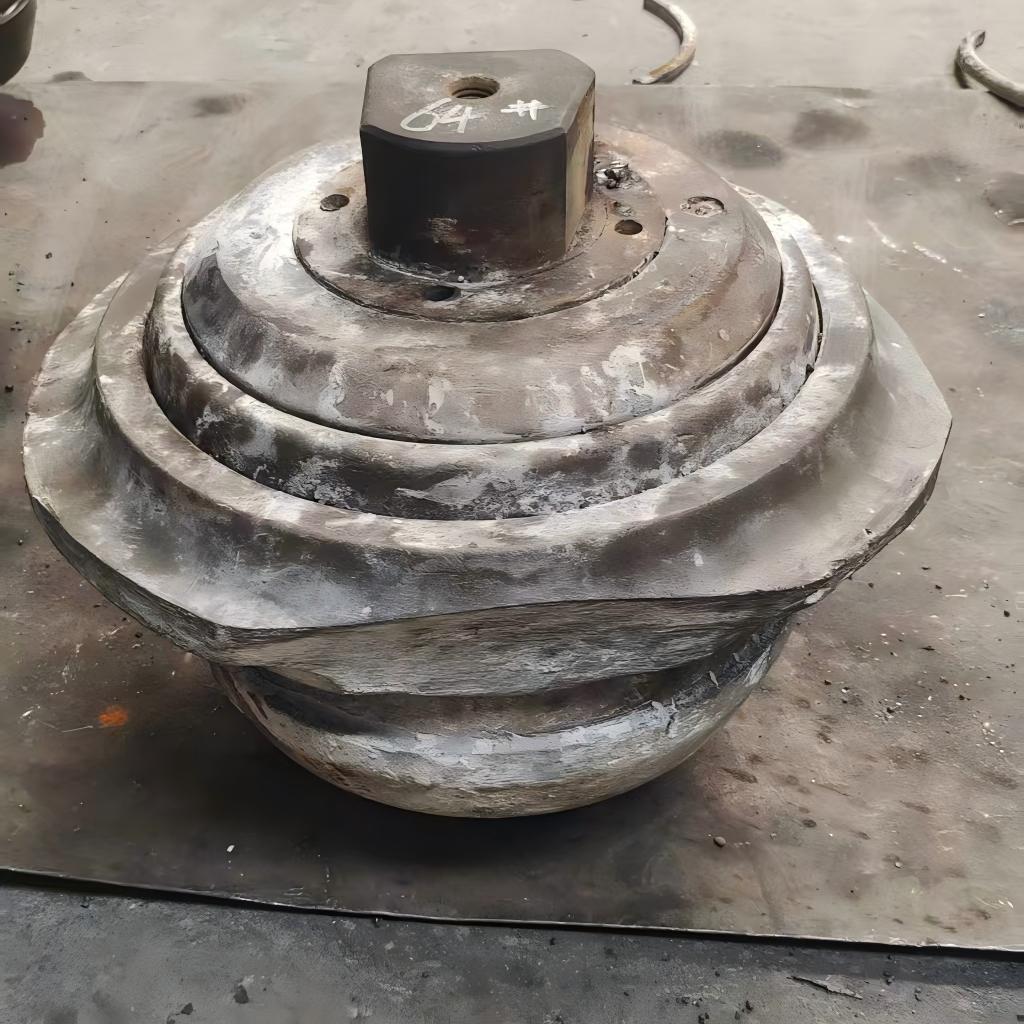
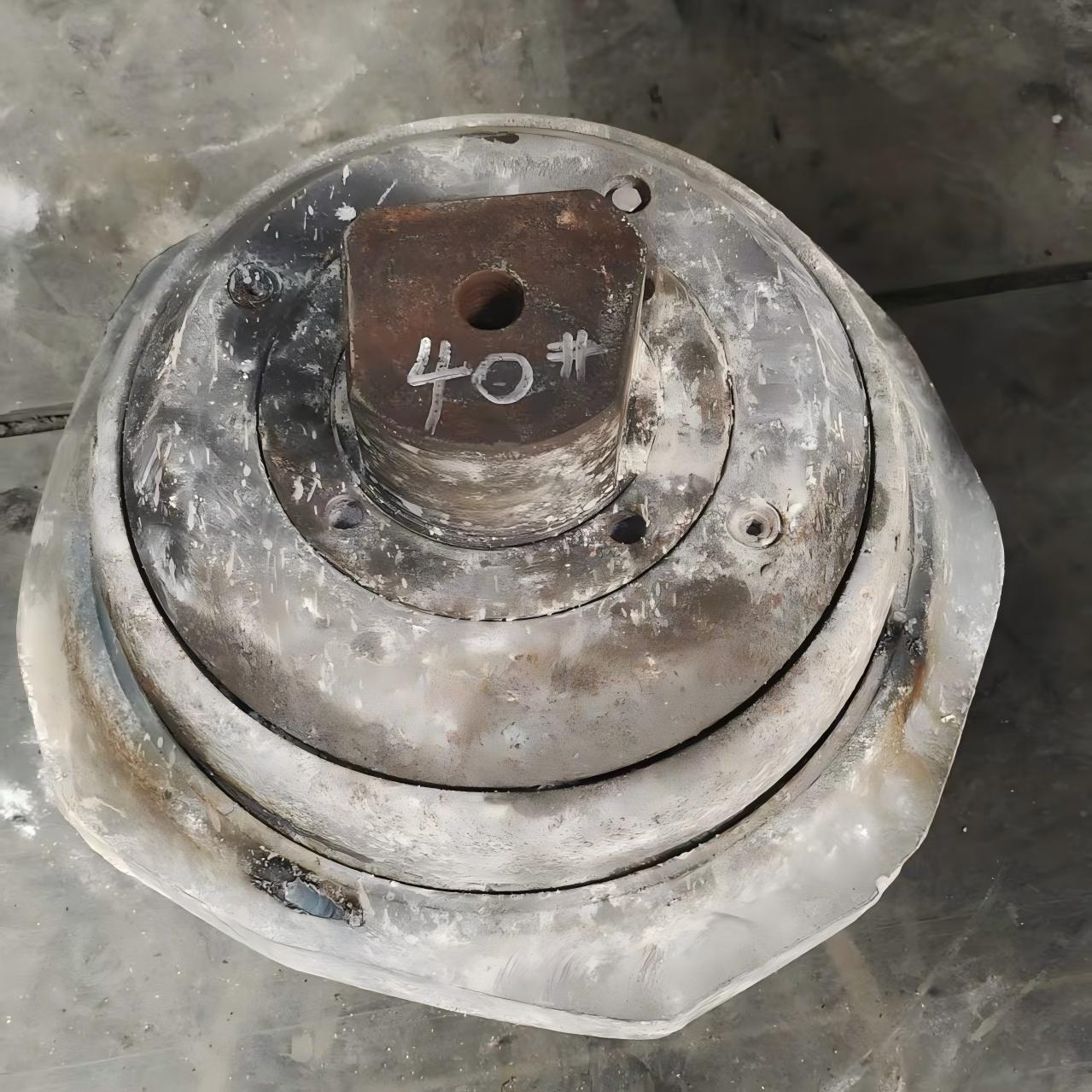
Normal Wear Abnormal Wear
· Cutter ring wear, chipping and cracking
· Cutter rotation and jamming conditions
· Bearings, floating seals and lubrication condition
· Cutter body, shaft and fastening components
· Abnormal oil leakage or contamination
· Cutter box, locking and installation condition
Inspection → Condition Analysis → Possible Cause Identification → Repair or Replacement Recommendation
02 Disc Cutter Repair & Refurbishment
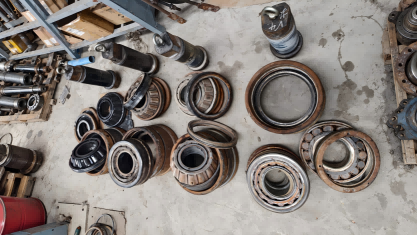
Following inspection and condition assessment, used TBM disc cutters are disassembled and cleaned for detailed component checking. Worn or damaged cutter rings, bearings, floating seals, O-rings and fastening parts can be replaced as required. The cutter is then reassembled with controlled fitting, lubrication and sealing procedures, followed by final checks before being prepared for reuse.
1. Disassembly and Cleaning
The cutter is completely disassembled, and mud, grease, metal particles and other contaminants are removed.
2. Component Inspection and Replacement
Cutter rings, cutter bodies, shafts, bearings, floating seals, O-rings and fastening components are checked. Unserviceable parts are repaired or replaced according to the inspection results.
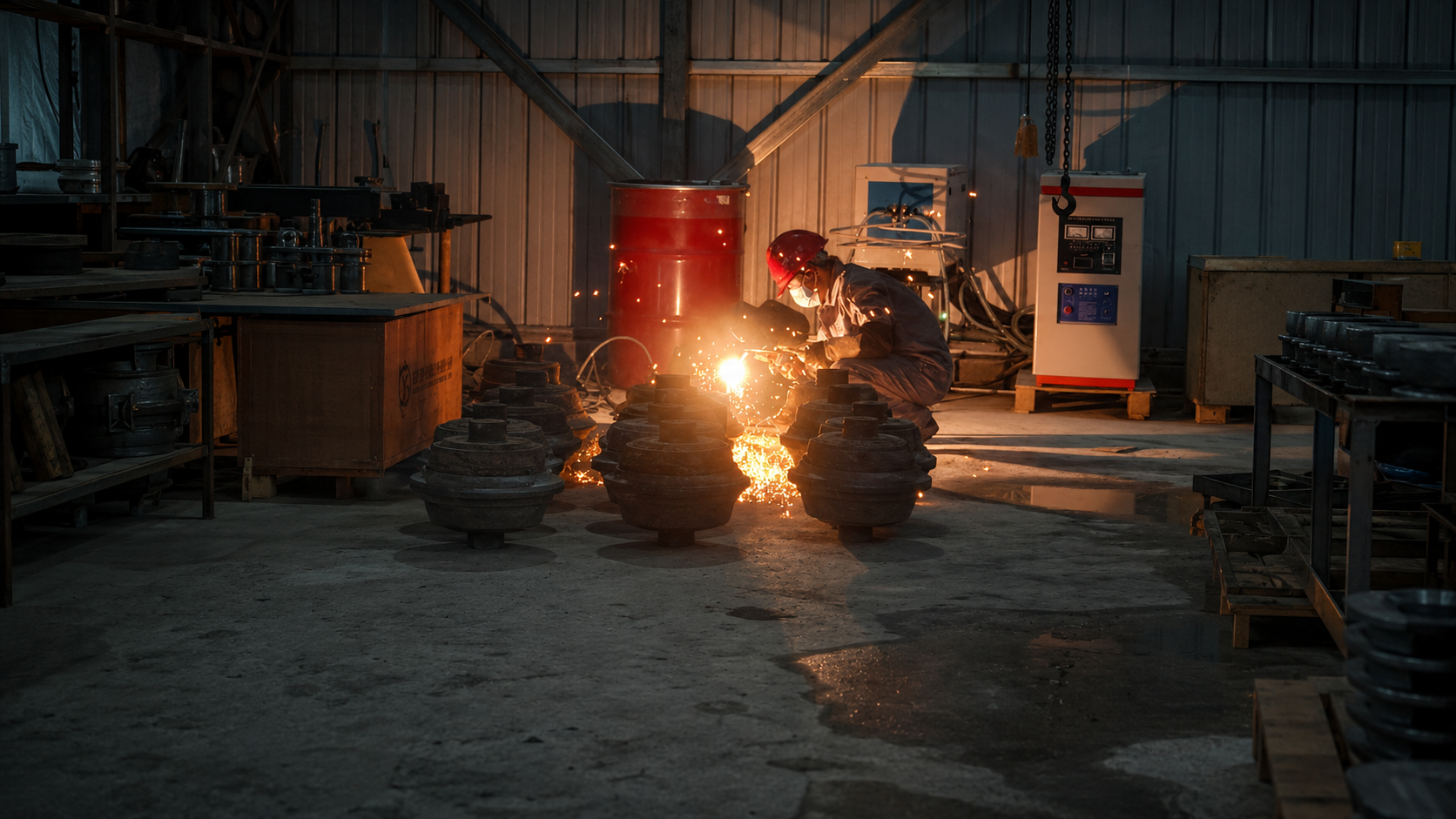
3. Controlled Reassembly
The cutter is reassembled according to the required fits, clearances, lubrication and sealing conditions.
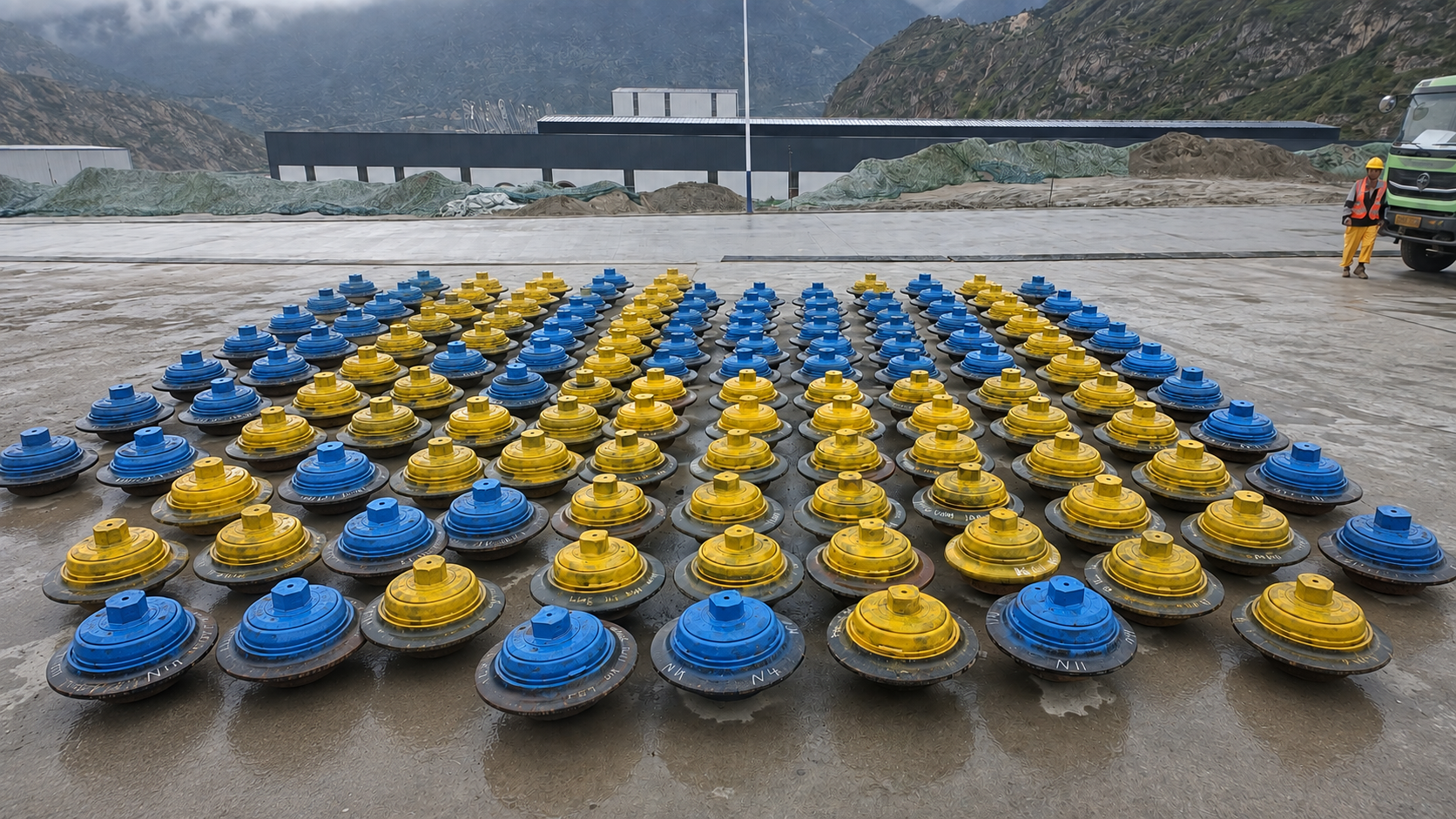
4. Final Inspection
Final checks cover cutter rotation, assembly stability, sealing condition and overall component condition before the refurbished cutter is prepared for reuse.
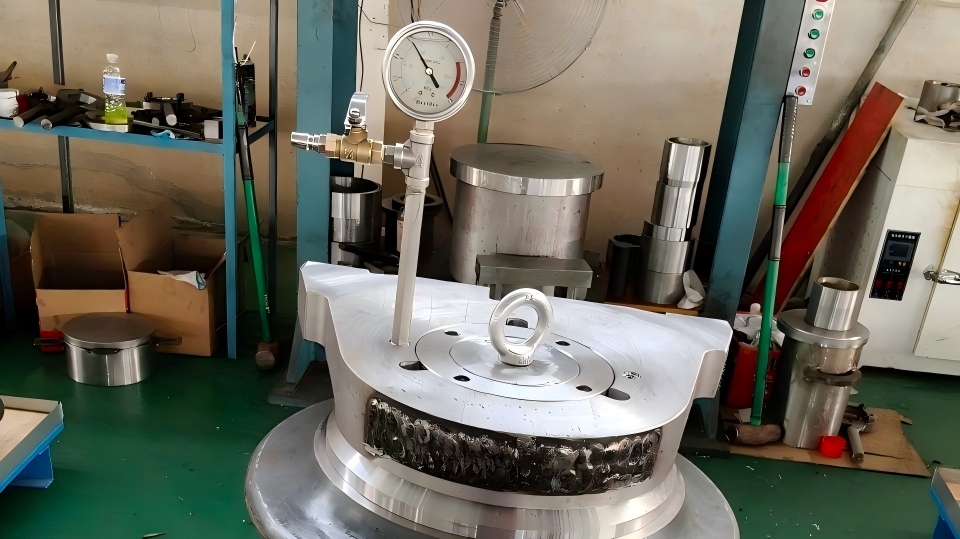
· Reuse of serviceable cutter components
· Reduced complete-cutter replacement costs
· Better spare-parts planning
· Reduced cutter-related downtime
03 Disc Cutter Replacement & Operational Support
Qingyue provides on-site support for TBM disc cutter inspection, removal and replacement according to project requirements. The service may include checking cutter wear and rotation, removing cutters that have reached the replacement condition, installing available replacement cutters and coordinating the required cutters, components and tools. The specific service scope is confirmed according to the project location, site conditions and customer requirements.
Cutter and Spare Parts Preparation
Complete disc cutters and commonly required replacement components can be prepared according to cutter drawings, models and confirmed project requirements.
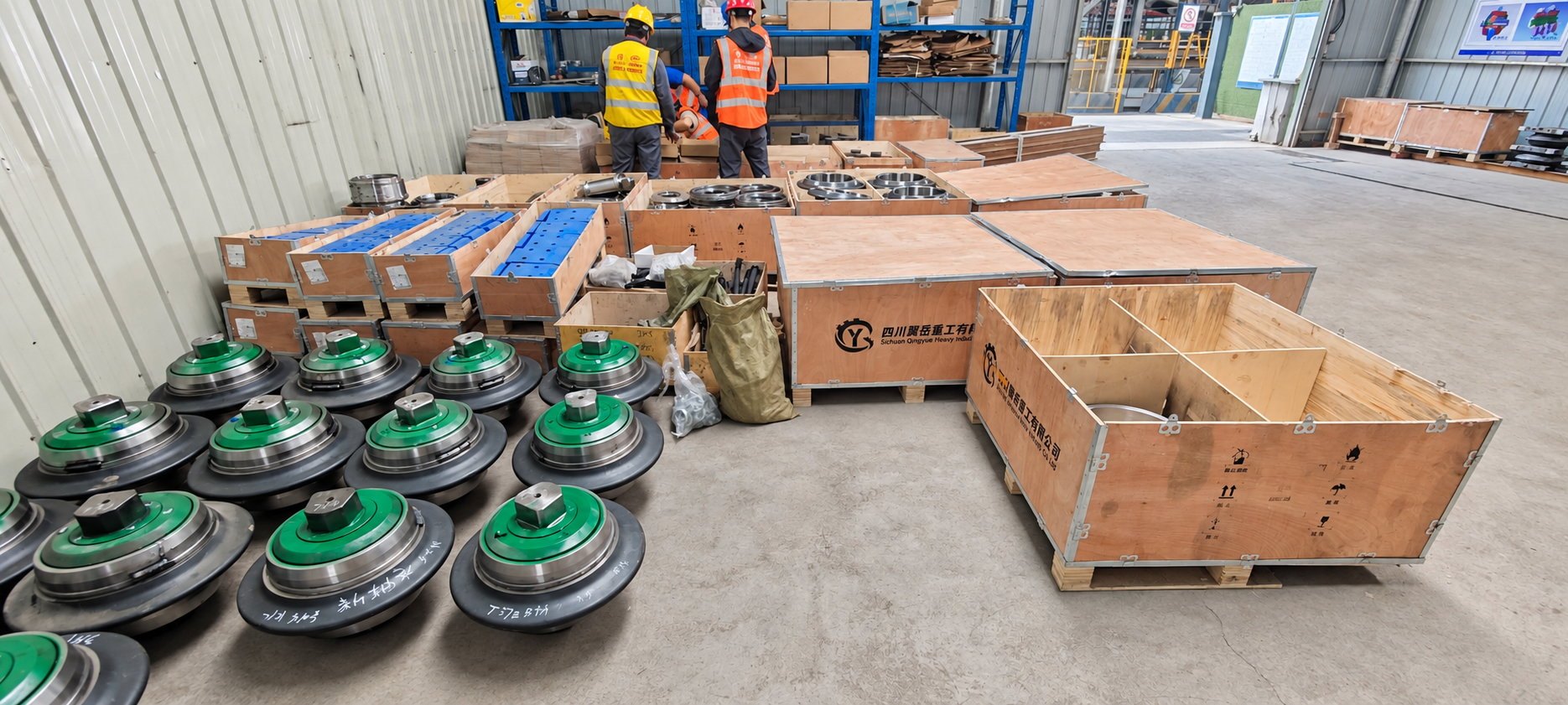
On-Site Cutter Replacement Support
Technical personnel can support cutter inspection, removal and installation in accordance with cutterhead specifications and site procedures.
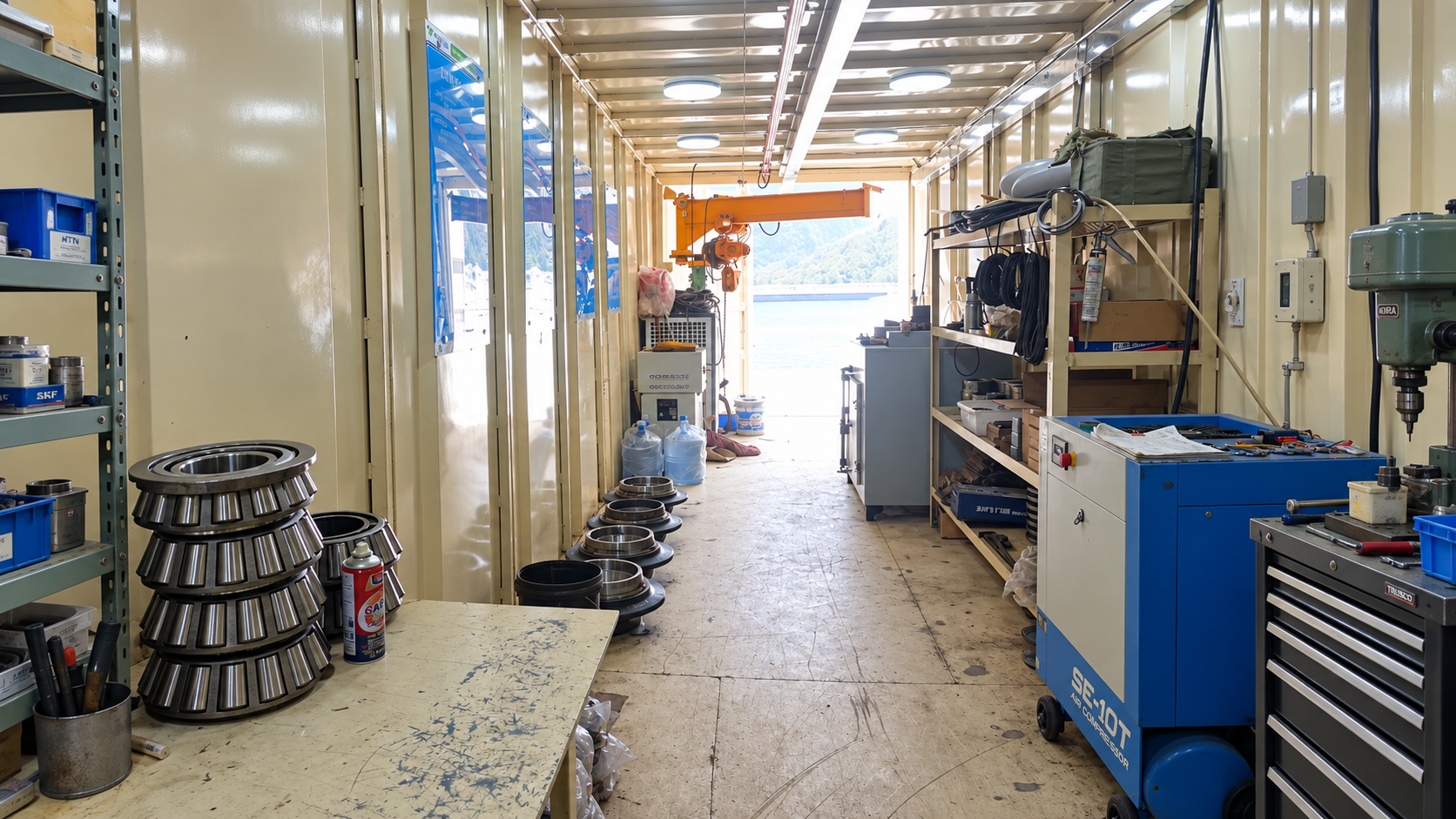
Service Resource Coordination
Cutters, replacement components, tools and service schedules can be coordinated with the customer’s excavation and maintenance plan.

On-site service availability is subject to project location, site access, service scope and technical evaluation.
· Single disc cutters
· Double disc cutters
· Center twin disc cutters
· Cutter rings, cutter bodies and shafts
· Bearings and floating sealing systems
· Disassembly, cleaning and controlled reassembly
· Replacement cutters and spare parts supply
· On-site cutter replacement support
Please provide the cutter model or drawing, cutter condition, observed wear or failure problem, required quantity, project location and available site photos. Our team will review the information and confirm the appropriate inspection, refurbishment or replacement service scope.




 Company Profile